

10 Life Hacks For Students At The Top CBSE School In Nagpur

As a CBSE student, it’s crucial to develop a set of effective study habits and life hacks that can help you perform better in your academic journey.

Sharing some study tips and tricks that can make a significant difference in your studies:

Strategize Your Study Time:

Strategizing your study time is one of the essential skills you can develop as a student. It’s essential to identify which subjects need more attention and plan your study time accordingly. Allocating the right amount of time to each subject can help you stay focused and prevent procrastination.

Chunk Down Your Study Material:

CBSE study material can be overwhelming, and it’s essential to break it down into smaller, more manageable chunks. Instead of trying to memorize the entire syllabus, break it down into topics and study them one by one. This way, you can absorb the information better and retain it for a longer time.

Use Visual Aids:

Using visual aids like diagrams, flowcharts, and tables can be a game-changer for CBSE students. Visual aids can help you organize your thoughts and summarize the material. This can make studying more fun and engaging and help you retain information better.

Teach Someone Else:

Teaching someone else is an effective way to learn and reinforce your understanding of a topic. It can help you identify areas where you need more clarity and give you the confidence to tackle any problem.

Take Frequent Breaks:

Taking breaks is essential to maintain focus and prevent burnout. CBSE students can get easily overwhelmed by the amount of study material they need to cover. Taking frequent breaks can help you refresh your mind, stay motivated, and avoid burnout.

Stay Motivated:

Staying motivated is one of the most critical factors for academic success. Set achievable goals, reward yourself for your accomplishments, and surround yourself with positive influences. It’s essential to remember that success is a journey, and staying motivated is key to reaching your destination.

Seek Help When Needed:

As a CBSE student, you may come across challenging topics that require extra guidance. Don’t hesitate to seek help from your teachers, academic advisors, or peers. They can provide you with additional resources, clarify concepts, and offer valuable feedback.

These CBSE study tips and tricks can help you develop effective study habits and perform better in your studies. Make your academic journey more engaging, enjoyable, and fulfilling.

What should be a 16-hour study timetable at night?

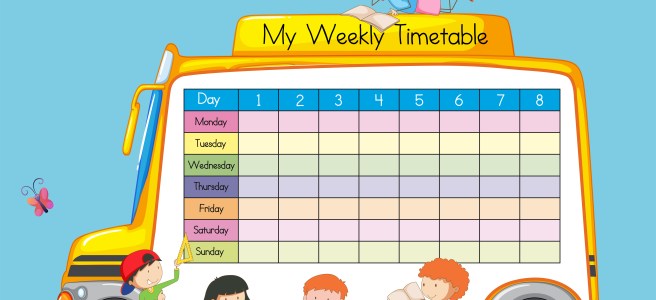
Weekly Timetable for CBSE study

Having a well-structured study routine is essential for any student who wants to achieve their academic goals. As such, the following is a 13.5-hour study routine that students can follow to enhance their productivity and performance.

The day starts at 6:00 am with waking up and getting ready for the day. Freshening up in the morning helps one to start the day feeling fresh and energized.

From 6:30 am to 8:30 am, the student can embark on a two-hour study session. This first session sets the pace for the day, and the student should aim to cover the most challenging topics during this period.

At 8:00 am, it is time for breakfast. Eating a healthy breakfast helps the brain function optimally, and the student can use this break to relax their mind and recharge their batteries. After the break, the student should get back to studying from 9:00 am to 11:00 am in the second session of the day.

At 11:00 am, the student can take a short break to clear their mind before embarking on the third study session of the day. This session should run from 11:30 am to 1:00 pm. After this, the student can take a lunch break from 1:30 pm to 2:00 pm.

During this break, the student should take a healthy meal to ensure that they have the energy to continue with the rest of the day’s activities.

A nap can help the student rest and regain energy for the next study session. As such, from 2:00 pm to 3:00 pm, the student can take a power nap. The nap should not exceed 30 minutes to avoid disrupting the sleep cycle.

After the nap, the student can embark on a three-hour study session from 3:00 pm to 6:00 pm. This session should be used to revise the topics covered earlier in the day and consolidate the information.

At 6:00 pm, the student can take a break for an hour and a half. During this break, the student can engage in some physical activity such as jogging, playing a sport or just walking to refresh the mind. After the break, the student should continue studying from 7:30 pm to 9:00 pm.

The student can take a dinner break from 9:00 pm to 10:00 pm. Eating a light dinner ensures that the digestive system does not overwork and cause fatigue. After dinner, the student can embark on the final study session of the day from 10:00 pm to 12:00 am.

During this session, the student should revise the topics covered during the day and prepare for the next day’s activities.

13.5-hour study routine can help students enhance their productivity and academic performance. However, students should customize the routine to fit their needs and preferences.

And the focus should be on quality studying rather than the number of hours spent studying. Finally, students should take breaks to relax and recharge their batteries to avoid burnout.

Effective strategies to study for long hours without feeling tired

As a student, I have tried various ways to study for long hours without getting tired. Here are some tips that have worked for me personally.

Keep moving: Sitting at one place and studying for long hours can make you feel lethargic. It’s a good idea to take short breaks and move around the room while studying. This can help in maintaining alertness and keeping the mind fresh.

Proper lighting: It’s important to study in a well-lit room or use a lamp while studying. Poor lighting can strain your eyes and make it difficult to focus.

Maintain good posture: Sitting upright and maintaining a good posture is essential while studying. A slouching posture can affect the functioning of the sympathetic nerve, leading to a lack of alertness.

Avoid the bedroom: It’s a common mistake to study in bed. However, it’s important to have a proper study setup with a desk and chair. Studying in bed can make you feel sleepy and reduce productivity.

Stay hydrated: Drinking water while studying can help in keeping the body hydrated and the brain functioning properly. It’s important to stay hydrated to avoid dehydration, which can lead to fatigue.

Get adequate sleep: While it’s important to study hard, it’s equally important to get adequate sleep. Maintaining a proper sleep-wake cycle can help in feeling refreshed and energized while studying.

Apart from these tips, there are various other ways to stay focused while studying. Some of these include using a timer to manage study sessions, creating a study plan, taking regular breaks, and avoiding distractions like social media and phone notifications.

An Ideal Student Routine that would be fir for studying during the CBSE board exams

CBSE borad exam students

Let me share with you a day in the life of a dedicated CBSE board student, who has successfully completed the English board exam and is now preparing for the next day science subject exam.

The day started at 7 a.m. with the sound of an alarm.

The student got up, freshened up and started revising all the important topics for the English subject exam paper scheduled for that day.

After dedicating an hour and a half to revision, the student took a shower, prayed to God and left for the exam center, which was scheduled to start at 10 a.m.

As expected, the student was anxious all morning, but the nerves settled down once the exam started. The English paper turned out to be easier than expected and the student managed to complete it with time to spare.

After finishing the exam, the student went back home, had lunch and took a well-deserved nap from 3 p.m. to 5 p.m.

The day was not yet over for the student. The Science exam was coming up and there was still much to prepare. The student dedicated four hours from 7 p.m. to 11 p.m. to studying the topic of Heredity and Evolution, followed by another four hours from 9 p.m. to 1 a.m. with a break of one hour for dinner to study the topic of Our Environment.

It is quite evident from this routine that the student was completely dedicated to achieving their academic goals.

However, the routine was not just about studying. The student also found time to check the answer keys of their exam papers on YouTube to assess their performance. This helped the student understand where they had made mistakes and what could be done to avoid them in the future.

In addition, the student had developed a good sleep pattern, ensuring that they got enough rest and were able to concentrate well during their studies. This is a crucial aspect of any successful academic routine.

To sum up, the day in the life of a dedicated CBSE board student is all about balancing their academic goals with their personal life.

A well-planned routine, including study time, rest time, and leisure time, is the key to success in the CBSE board exams.

It is important to develop a routine that works best for you, considering your strengths, weaknesses, and study patterns. So, plan your day wisely and keep working towards your goals.